
3D Rendering vs Photography: When to Choose Each
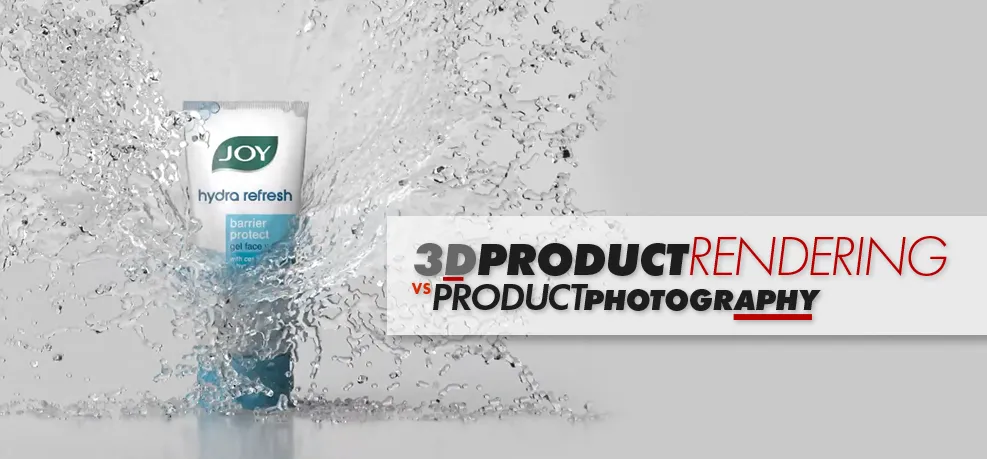
3D rendering vs photography? For product imagery, both 3D Rendering and Photography can produce stunning ecommerce product images. The question isn’t which is “better”, it’s which is right for your situation.
Photography captures what exists. 3D product rendering lets you create a product before it exists. Different tools, different strengths, different trade-offs, and a balance that must be found. If the term itself is new to you, start with what 3D product rendering actually is, which walks through the process before this piece weighs it against a camera.
Having directed photography for ad shoots and films over the years, and now working extensively with 3D visualisation, I’ve seen both sides of this choice play out across dozens of projects. This post is a practical guide to help you decide based on your actual constraints: timeline, budget, product stage, and intended use.
Is 3D Rendering Also Called “3D Photography”?
No. 3D photography starts with a real object and a camera: either stereo pairs that give the picture depth, or many overlapping photographs stitched into a 3D scan. 3D rendering works the other way round. The product is built as a digital model and “photographed” in a simulated environment, so nothing physical has to exist. Done well, a render can look exactly like a photograph, but the process, and what it lets you do, is fundamentally different.

For anyone commissioning product visuals, the practical difference between 3D rendering and traditional photography matters, because it determines your workflow, timeline, and what’s possible. With 3D Rendering, you start from a digital model and have complete control over every element, textures, lighting, focal length, reflections, and rendering quality.
3D Rendering or Photography? The Short Version
Where the two methods actually differ, at a glance:
| 3D rendering (CGI) | Product photography | |
|---|---|---|
| To start | A CAD file or digital 3D model, no physical prototype | A finished product, a studio, lighting and prop styling |
| Cost shape | Front-loaded into modelling, marginal per render after | Linear: every SKU adds a setup, a shoot day and retouching |
| Turnaround | Days to weeks to model, then hours per render | A day or two for a simple shoot, longer with sets or models |
| Variants and colourways | Swap a texture or shader, re-render | A reshoot, or retouching that rarely convinces |
| Camera | Any focal length, angle and depth of field, exactly repeatable | Limited by lens, rig and the physical space |
| Impossible shots | Cutaways, exploded views, floating products | Only through compositing |
| Difficult materials | Fabric drape, food, skin and hair stay slow and costly | Captured naturally in camera |
| Consistency at scale | Identical lighting across hundreds of SKUs | Drifts between shoot days, studios and photographers |
| Afterwards | A reusable asset for 360 spins, animation and A-plus content | Each frame is finished; changes mean a reshoot |
If you need a quick answer, here’s the simplified decision guidelines:
Choose 3D rendering when:
- The product doesn’t physically exist yet
- You need many variations (colours, configurations, angles)
- Consistency across dozens or hundreds of images matters (and variations are minor)
- You want to show cutaways, internal components, or impossible angles
- You’ll need to update images when packaging or colours change
Choose traditional photography when:
- The product involves fabric, food, or complex organic textures
- You need lifestyle shots with real people or environments
- Authenticity and “realness” is core to your brand positioning
- You have a finalised product and need a single hero shot
- Quick turnaround for simple products with minimal variations
Now let’s get into the details about each choice.
Where 3D Rendering Has the Clear Advantage
Pre-Production Visualisation
This is where 3D truly shines. You can create photorealistic images of a product before manufacturing is complete. Test packaging designs with target groups before committing to print runs. Show investors or retailers exactly what something will look like months before it ships.
Launching a new product line with twelve SKUs? You can show all twelve before the first one rolls off the production line.
Unlimited Variations
Same product, forty-seven colour options. With 3D, that’s one model and forty-seven renders. With photography, that’s forty-seven separate setups, or extensive retouching that may not look convincing. The consistency with 3D modelling and rendering is amazing.
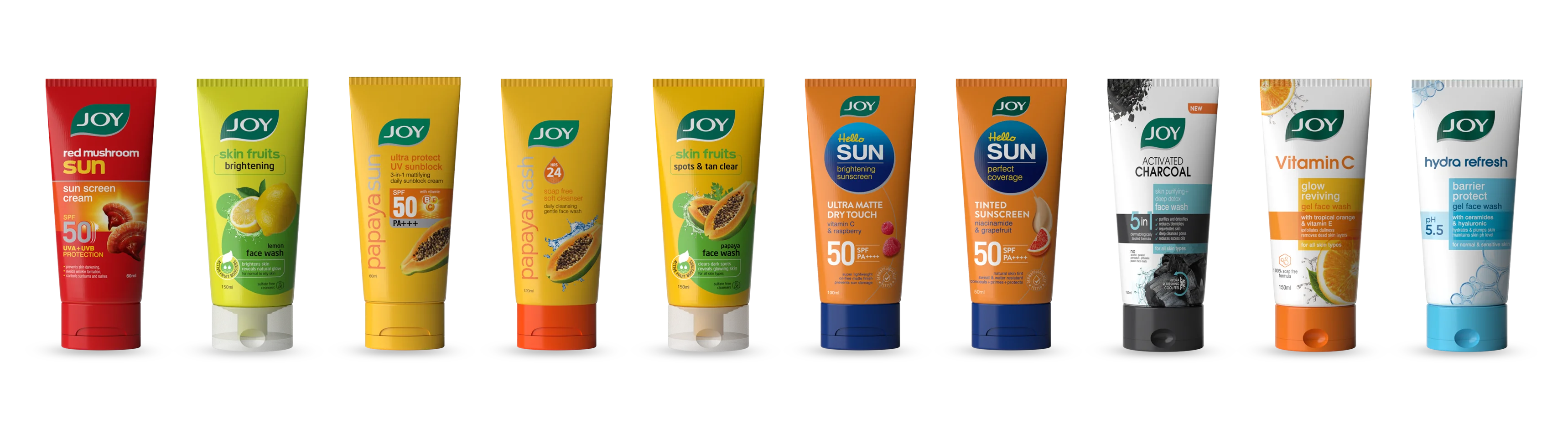
This is particularly valuable for furniture, electronics, cosmetics packaging, and any consumer goods with multiple SKUs. The economics shift dramatically once you’re dealing with more than a handful of variations. Of course, the opposite is true if the 3D modelling needed for each variant is extensive and different.
Creating Impossible Shots
Some visuals simply can’t be photographed. Cutaway views showing internal components. Exploded diagrams with parts floating in perfect alignment. Products suspended in mid-air with no visible support. Perfect symmetry that would take hours to achieve physically, if it’s achievable at all.
3D Product Rendering makes these routine.
Consistency at Scale
For e-commerce catalogues with hundreds of products, 3D offers something photography struggles to match: perfect consistency. Every image has identical lighting, identical angles, identical shadows. No variations from one shoot day to the next, no differences between photographers or studios.
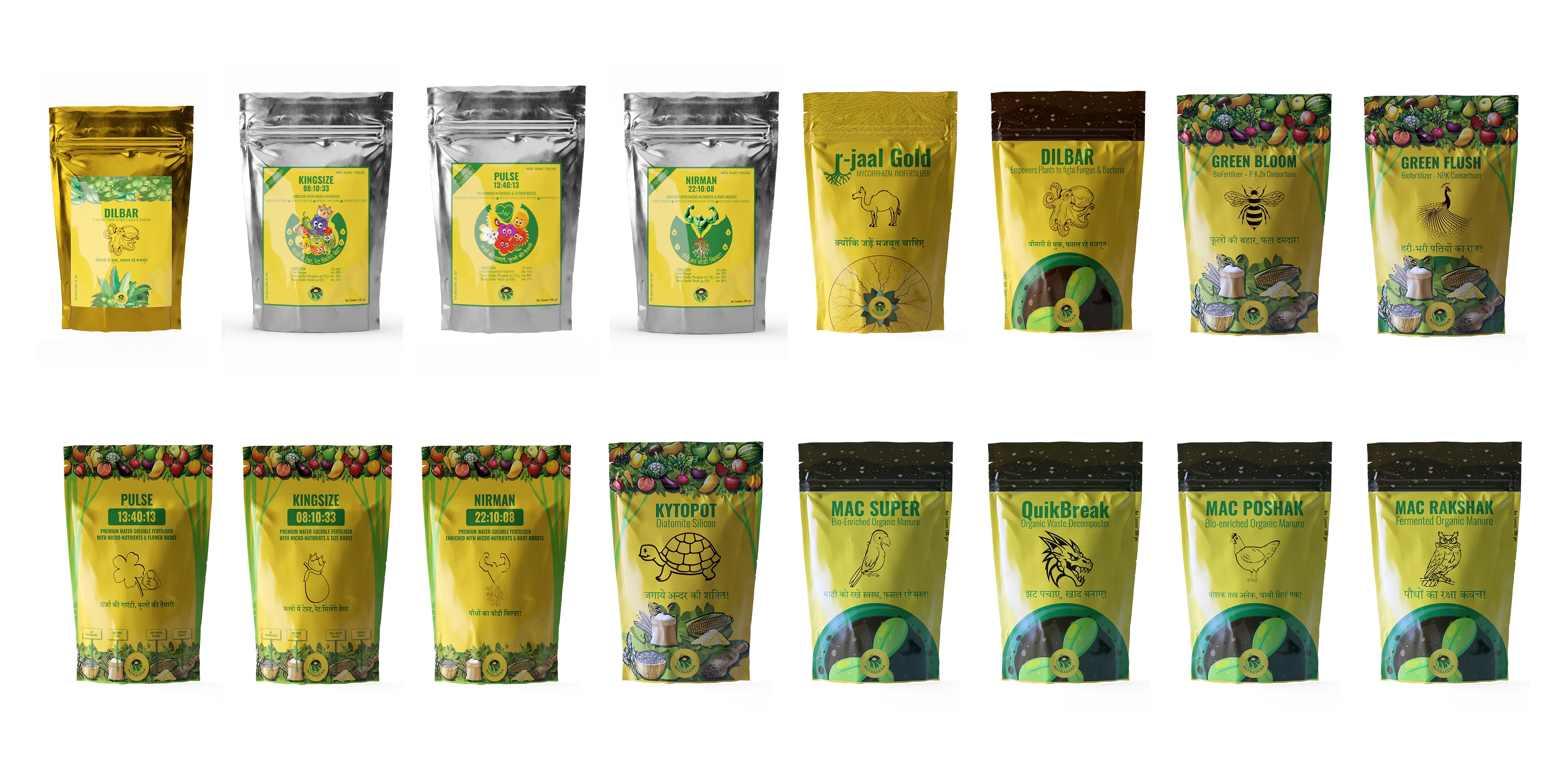
When you’re building a cohesive visual catalogue, this consistency matters more than most people realise until they’re dealing with the alternative.
The Asset Advantage
A 3D model is a reusable asset. Once it exists, future variations don’t require new photoshoots. Need to update the packaging design? Swap the texture. Adding new colourways next season? Marginal cost. This long-term flexibility is often undervalued in initial cost comparisons.
Where Traditional Product Photography Still Makes Sense
Product has Organic Materials and Textures
3D technology has come remarkably far, but some materials remain genuinely difficult to render convincingly. Food is the obvious example. 3D food has improved dramatically, but still often falls into ‘uncanny valley’ territory. Fabric with complex weaves and natural drapes. Leather with authentic wear patterns. Human skin and hair: all tough to reproduce in 3D. Not impossible, just very complex (and expensive).
For products where these textures are central to the appeal, photography often remains the better choice.
Lifestyle and Context
When you need real people using the product in real environments, photography is usually the answer. The warmth of a family around a dining table. The energy of someone mid-workout. The authenticity of a real kitchen or workshop. These are images that are better left in the hands of a photographer, photographing real people and objects.
Yes, 3D can create environments and even digital humans. But when emotional storytelling requires genuine authenticity, the camera still wins. Humans trust humans, after all.
When Authenticity Is the Message
Some brands are built on “real, not perfect.” Artisanal positioning. Handmade quality. Behind-the-scenes honesty. For these brands, the slight imperfections of photography aren’t bugs, they’re features. They communicate something that flawless 3D renders cannot. Authenticity and humanity.
Quick Turnaround for Simple Products
Sometimes you have a small product, a white background, and a tight deadline. For genuinely simple shoots, the photography pipeline can be faster than building a 3D model from scratch. A skilled photographer can have images delivered before a 3D artist has finished modelling. We collaborate with ColoursAlive Photography to offer our clients this option.
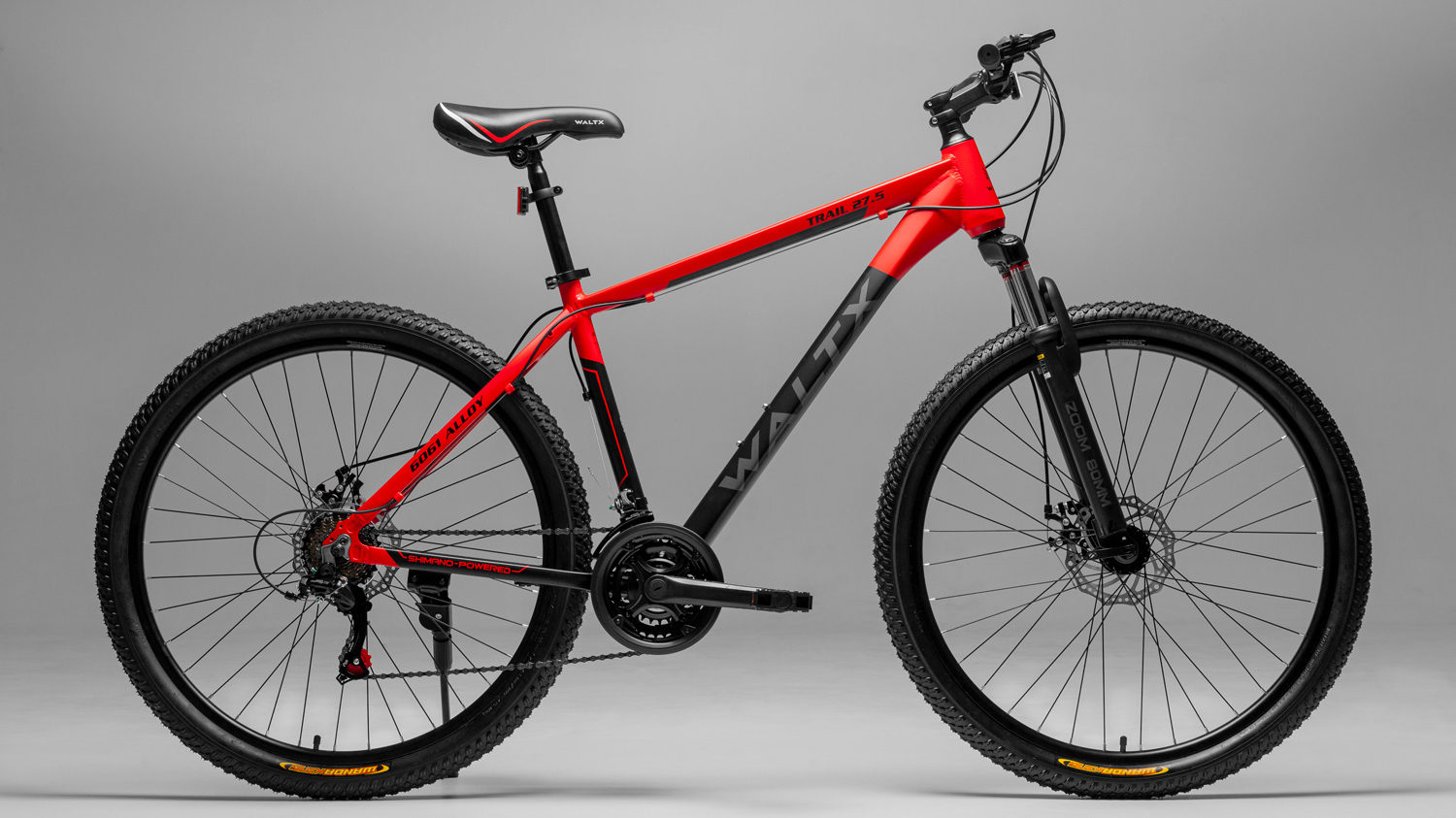
This calculus changes if you need the images again later, but for one-off simple shots, don’t overlook the straightforward option.
Evaluate for each scenario based on the variables available at the time.
The Hybrid Approach
Many brands don’t think in terms of “3D rendering vs photography”, they use both strategically.
3D product, photographed environment. Render the product with perfect control, then composite it into a real location shot. You get the precision of 3D with the authenticity of a real setting.
Photography for hero, 3D for variations. Invest in a proper photoshoot for the key campaign image, the one that appears on billboards and homepage banners. Then use 3D renders for the e-commerce colour variants and catalogue shots.
3D for pre-launch, photography post-launch. Build excitement with renders before the product ships. Then decide whether to supplement with photography once you have physical units. Or don’t, if the renders are working well enough. There’s flexibility in this approach.
Photography as 3D reference. Photograph one product to establish the look, lighting, and environment. Then match that setup in 3D for the remaining SKUs. Consistency with efficiency. This approach brings 3D closer to reality, without some of the inefficiencies.
Photo vs Rendering: The Budget Question
This is where honest conversation matters, because the answer isn’t as simple as “3D is cheaper.”
Photography costs scale linearly. Ten products means roughly ten times the work. Each colour variation needs its own setup, shooting, and editing. Reshoots if the product changes.
3D costs are front-loaded. Building a detailed, photorealistic 3D model takes time and skill. The initial investment is significant! Sometimes, more than a single photoshoot would cost! But once the model exists, variations become much more economical.
The crossover point varies. For a single product with a single image needed, photography is often more cost-effective. For a single product with twenty colour variations, 3D usually wins. For one hundred products needing consistent treatment, 3D becomes a significantly more enticing option. For one thousand closely related products, 3D may be the only efficient way to get the job done.
A note on quality expectations. Truly photorealistic 3D, the kind that’s genuinely indistinguishable from photography, requires skilled artists and adequate time. It’s not the cheapest option. Where 3D offers savings is in flexibility and variations, not necessarily in the base cost of a single high-quality image. Budget work looks like budget work in both mediums.
Hidden costs to consider:
- Photography: Shipping products to studio, studio rental, props and styling, model fees if applicable, reshoot costs if products change
- 3D: Revision rounds, complex materials may require additional rendering time, learning curve if working with a new artist.
Render vs Photo: Questions to Ask Before Deciding
Work through these points before committing to either approach:
- Does the physical product exist, and is it finalised?
- How many images do you need, and how many variations?
- What’s the primary use? e-commerce, advertising, pitch deck, packaging?
- Does the product involve materials that are difficult to render (fabric, food, organic textures)?
- Will you need to update images when packaging or colours change?
- What’s your timeline?
- Is “authenticity” or “handmade quality” core to your brand positioning?
- What’s your budget, and how does it compare to the scope of work?
If more than half of these point toward 3D, it’s probably worth exploring seriously. If you would like a second opinion, send me your answers and I’ll tell you which way I would go.
3D Rendering vs Photography for Products: The Bigger Picture
Ten years ago, this wouldn’t have been much of a question. Photography was the default for anything that needed to look real. 3D Rendered product imagery was used only for special cases: products that didn’t exist yet, or technical illustrations where photorealism wasn’t expected.
That’s changed. 3D visualisation has crossed the quality threshold where, for many products, it’s genuinely indistinguishable from photography. The choice is now about practicality: which approach fits your situation, your timeline, your budget, and your ongoing needs?
Neither is universally better. The right tool depends on the job.
At Nabina Ghosh Creative Services & Ideas, we aren’t constrained by what we do, or what we offer. Our goal is to offer you the best choice for your needs.
If you’re unsure which approach fits your project, I’m happy to discuss. Sometimes the answer becomes obvious once you describe what you’re trying to achieve and what constraints you’re working with.
Frequently asked questions
Is 3D rendering better than product photography?
Neither is universally better. 3D rendering excels when you need many product variations, when the product doesn't physically exist yet, or when you need impossible angles like cutaways and exploded views. Photography is stronger for organic materials like food and fabric, lifestyle shots with real people, and brands where authenticity and imperfection are part of the appeal. The right choice depends on your product, timeline, budget, and how many images you need. Many brands use both strategically.
Can you tell the difference between a 3D render and a photograph?
With skilled 3D work, the difference between 3D rendering and photography is often not discernible. But with poorly rendered imagery, it often is clearly discernible. Modern rendering technology can produce images that are genuinely indistinguishable from photography for products like electronics, packaging, furniture, and cosmetics. The gap narrows every year. Where renders can still look "off" is with complex organic materials like food, fabric with natural drape, or human skin and hair; these objects take a lot of work and skill to get right. For hard-surface products with clean geometry, a well-executed render is effectively identical to a studio photograph.
Is 3D product rendering cheaper than photography?
It depends on scope. For a single product needing one or two images, photography is usually more cost-effective. 3D rendering costs are front-loaded because the model needs to be built first. But once the model exists, each additional variation (new colour, new angle, new background) costs a fraction of what an equivalent photoshoot would. The crossover point typically comes when you need more than five to ten variations of the same product. For large catalogues with hundreds of SKUs, 3D is often the only practical option.
When should I choose 3D rendering vs photography?
Choose 3D rendering when the product hasn't been manufactured yet and you need visuals for pitches, pre-orders, or retailer presentations. It's also the better choice when you need dozens of colour or configuration variants with perfect consistency, when you want technical views like cross-sections or exploded diagrams, or when you expect to update the product's appearance over time and want to avoid reshooting. If your requirement is an e-commerce catalogue with consistent lighting and angles across many products, 3D is almost always more efficient.
How long does 3D product rendering take compared to a photoshoot?
For a single simple product, photography is usually faster: a skilled photographer can shoot and deliver within a day or two. It depends on the number of products, though, and on how different they are from each other. Building a detailed 3D model from scratch typically takes several days to a couple of weeks depending on complexity. However, once the 3D model is built, producing additional images and variations is much faster than scheduling and executing additional photoshoots. For projects involving many similar looking products (label and container colour changes) or ongoing image needs, 3D becomes faster overall despite the initial setup time.
Will AI replace rendering?
Not for product work, on current evidence. Generative AI produces images quickly, but it does not hold a real product's proportions, labels and details steady from one frame to the next, and a brand that ships inconsistent visuals pays for it in trust. 3D rendering starts from an accurate model, so the product stays the product across every angle and variant. I have written about the risk to brands using AI visuals.
What is render in photography?
Two different things share the word. In photography, "rendering" usually describes how a lens or sensor reproduces colour, contrast and out-of-focus areas. In 3D, a render is the finished image software calculates from a digital model. When people compare render vs photography, they almost always mean the second: a CGI image set against a camera photograph.
What is the difference between 3D modelling and rendering?
Modelling builds the object; rendering photographs it. A 3D model is the geometry, materials and textures that describe the product. Rendering is the step where software calculates light, reflections and depth of field to turn that model into a finished image. Modelling is usually the expensive part, which is why costs are front-loaded and why extra variations are cheap once the model exists. What 3D product rendering actually is walks through the process.
Can 3D rendering and photography be used together?
Absolutely, and this hybrid approach is often the best solution. Common combinations include rendering the product with perfect control and compositing it into a photographed environment, using photography for hero campaign shots and 3D for e-commerce colour variants, or photographing one product to establish the look and then matching that setup in 3D for remaining SKUs. Starting with 3D renders before the product launches and then supplementing with photography afterward is another approach that many brands find effective.
Working on something like this?
Tell me about the product, how many images you need and where they will be used. I'll tell you whether 3D, photography or a mix of both makes sense.
3D Visualisation: how the service works →